CashFlow Rescue OS
A cash-flow operations platform that helps small businesses prioritize overdue invoices, assess collection risk, coordinate follow-up actions, and improve payment visibility.
CashFlow Rescue OS is a local full-stack MVP in active development. Its core recovery workflows are implemented locally; external financial, delivery, and AI integrations remain planned.
Product overview
Why this product exists.
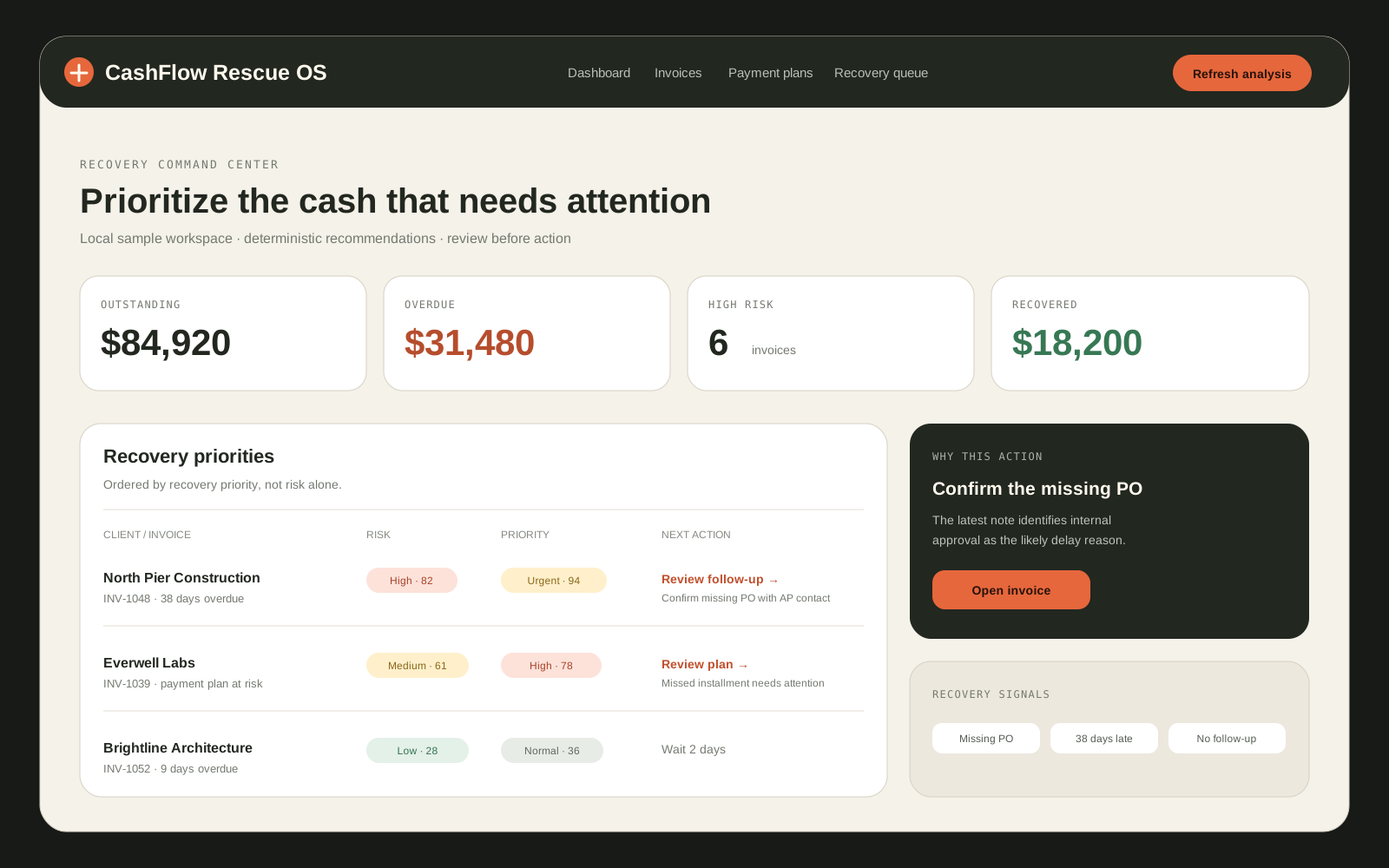
CashFlow Rescue OS brings invoice follow-up, payment plans, collection risk, recovery priorities, reviewable message drafts, policies, and audit history into one local-first operations workspace. Its rule-based recommendations explain why an action is suggested.
Problem / motivation
Small businesses can lose visibility when overdue invoices, client context, payment promises, and follow-up notes are scattered. The product organizes that recovery work while keeping risk, priority, and the recommended next action distinct.
Product experience
Key features.
- 01
Invoice, client, payment-plan, and recovery action workflows
- 02
Explainable risk scoring, recovery priority, and next-best-action recommendations
- 03
Tone-aware reviewable recovery drafts and timeline audit events
- 04
CSV import, policy tracking, delay detection, and local sample workspace
Under the surface
Architecture and technical challenges.
Architecture
- ASP.NET Core Blazor Web App using interactive server mode
- Entity Framework Core with SQL Server LocalDB migrations and seed data
- Service-based rule-driven recovery intelligence routed through one orchestrator
Challenges
- Keeping invoice risk separate from the priority of the recommended recovery action
- Explaining local recommendations without implying opaque or external AI decisions
- Coordinating payment-plan changes, drafts, policies, and audit events around one invoice
Technology stack
Delivery status
What exists today.
Implemented
- Invoice and client workflows
- Explainable local recovery intelligence
- Payment plans, policy tracking, imports, drafts, and timeline history
Partial
- The seeded local workspace demonstrates the core workflow; multi-workspace operation and production hardening are not complete
Planned
- QuickBooks, Stripe, banking, email, and external AI integrations
- Multi-workspace production operation
Interface
A closer look.
Honest edges
Limitations and what comes next.
Known limitations
- The application is intended for local portfolio review and uses a seeded sample workspace.
- Risk scoring, delay detection, draft generation, and payment-plan suggestions use explainable local rules.
- QuickBooks, Stripe, banking, email, and external AI integrations are planned rather than implemented.
Future improvements
- Add secure external integrations only when a real provider is configured
- Expand multi-workspace separation and recovery reporting